2026
Cells
Our research investigates intracellular signaling pathways that regulate cardiac hypertrophy and heart failure, aiming to identify novel therapeutic targets.
From the T-tubule network of the cardiomyocyte to the cryo-EM structure of the STRIPAK core.
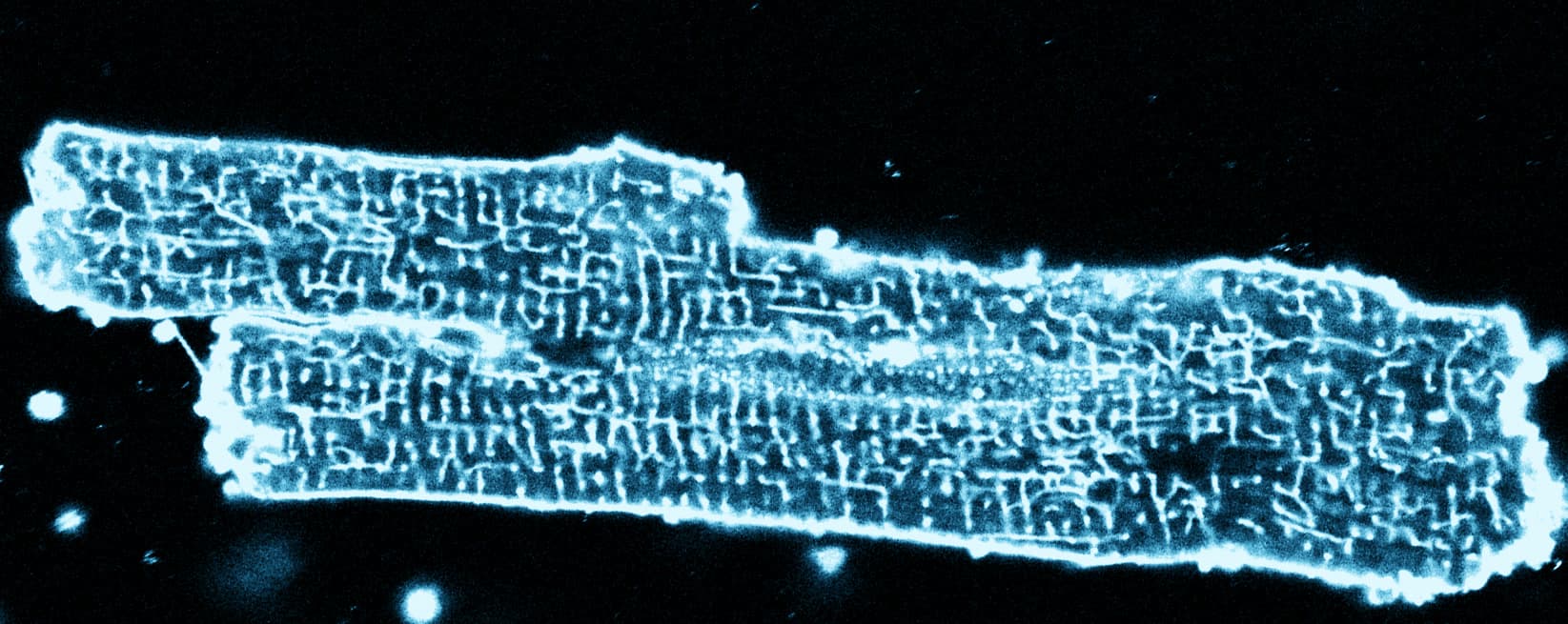
We investigate how cardiomyocytes sense mechanical load and translate it into cellular responses.
T-tubule network, ANEPPS membrane stain, 40×. Original red, shown here in a monotone cyan LUT. Eden / Frey Lab.
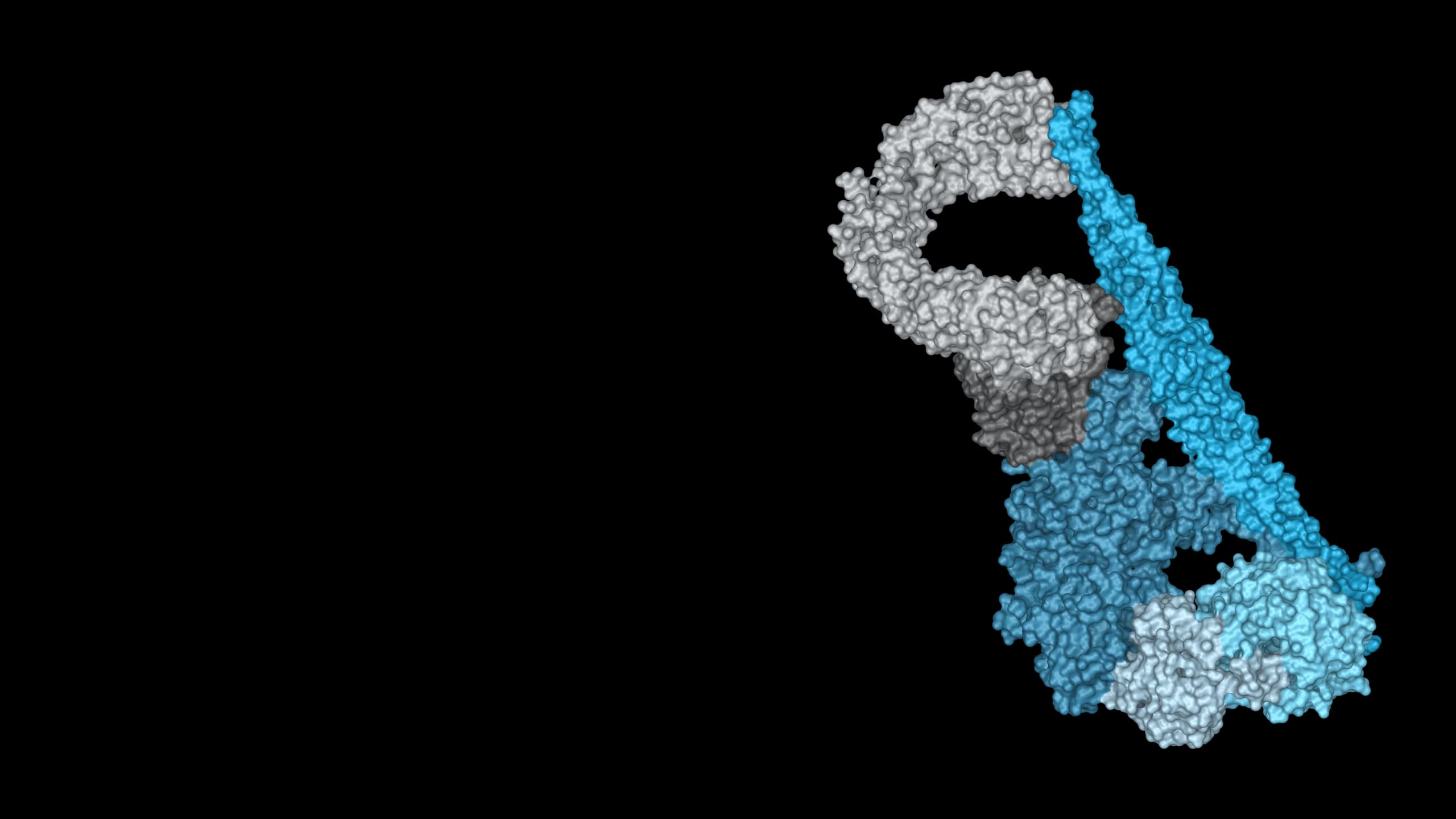
We identified Myoscape (STRIP2) as a cardiac-specific component of the STRIPAK complex (Eden et al., Nat Commun 2016). The structure of the human core shows STRIP1 together with striatin-3, MOB4 and PP2A.
PDB 7K36 · Jeong et al., Nat Struct Mol Biol 2021 (doi). Rendered by the Eden / Frey Lab, orthographic projection.
We combine molecular biology, phosphoproteomics, and advanced cardiomyocyte models to understand disease mechanisms and identify novel therapeutic targets.
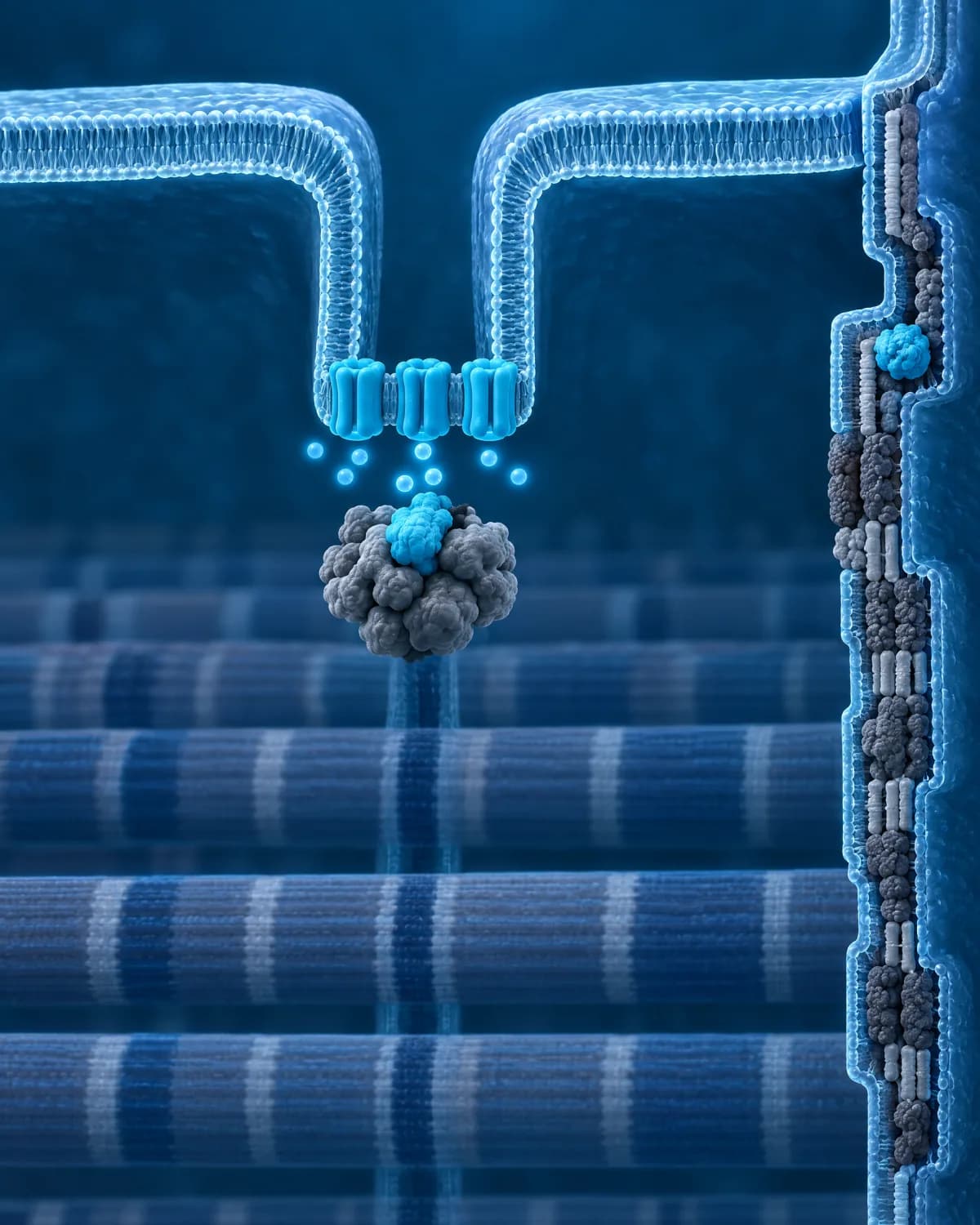 AI-generated illustration
Our group identified Myoscape (STRIP2) as a cardiac-specific component of the STRIPAK complex that regulates L-type calcium channel surface expression, thereby controlling cardiac calcium homeostasis and contractility (Eden et al., Nat Commun 2016).
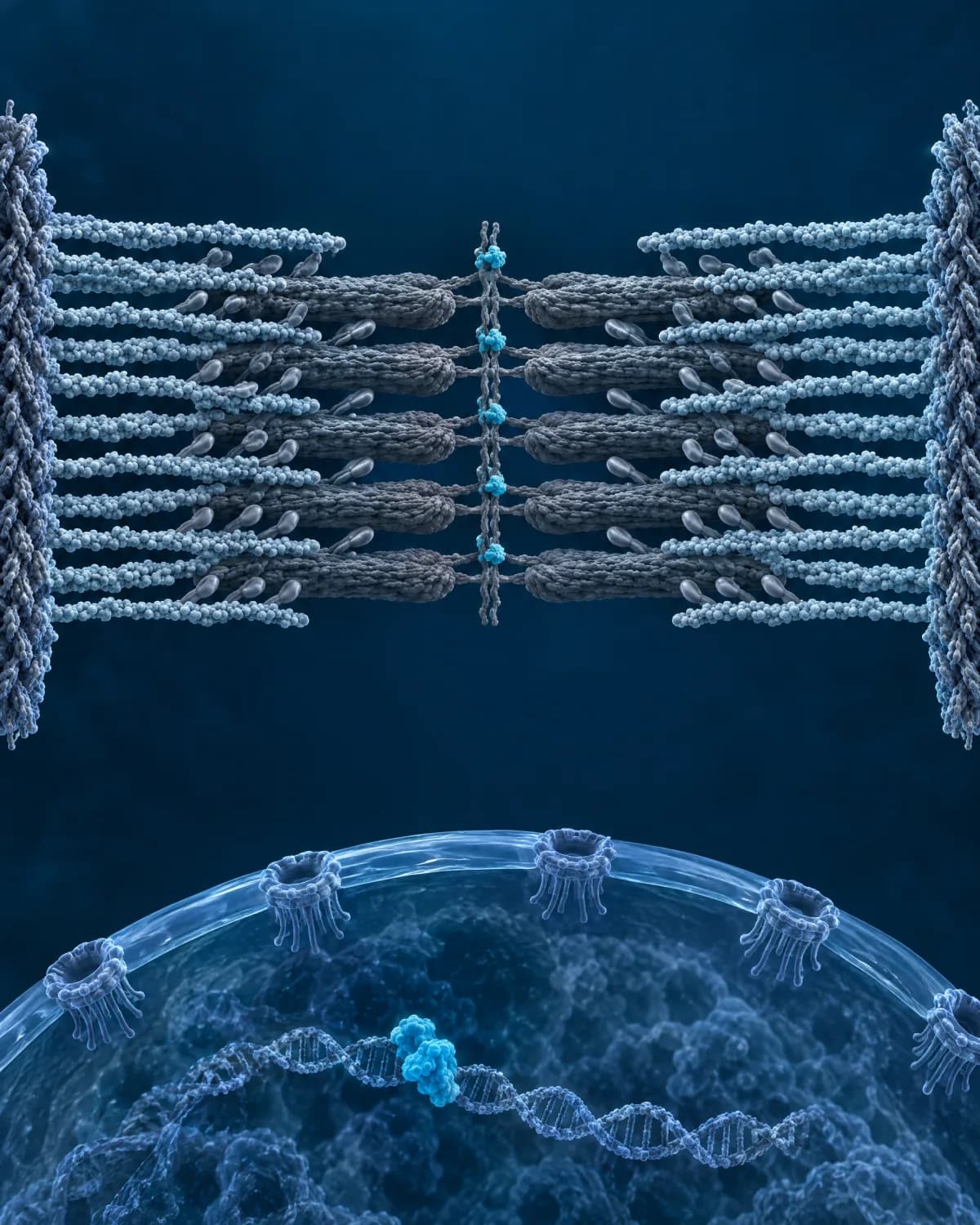 AI-generated illustration
We identified Myomasp/LRRC39 as a heart- and muscle-specific protein that constitutes a novel component of the sarcomeric M-band involved in mechanical stretch sensing (Will, Eden et al., Circ Res 2010).
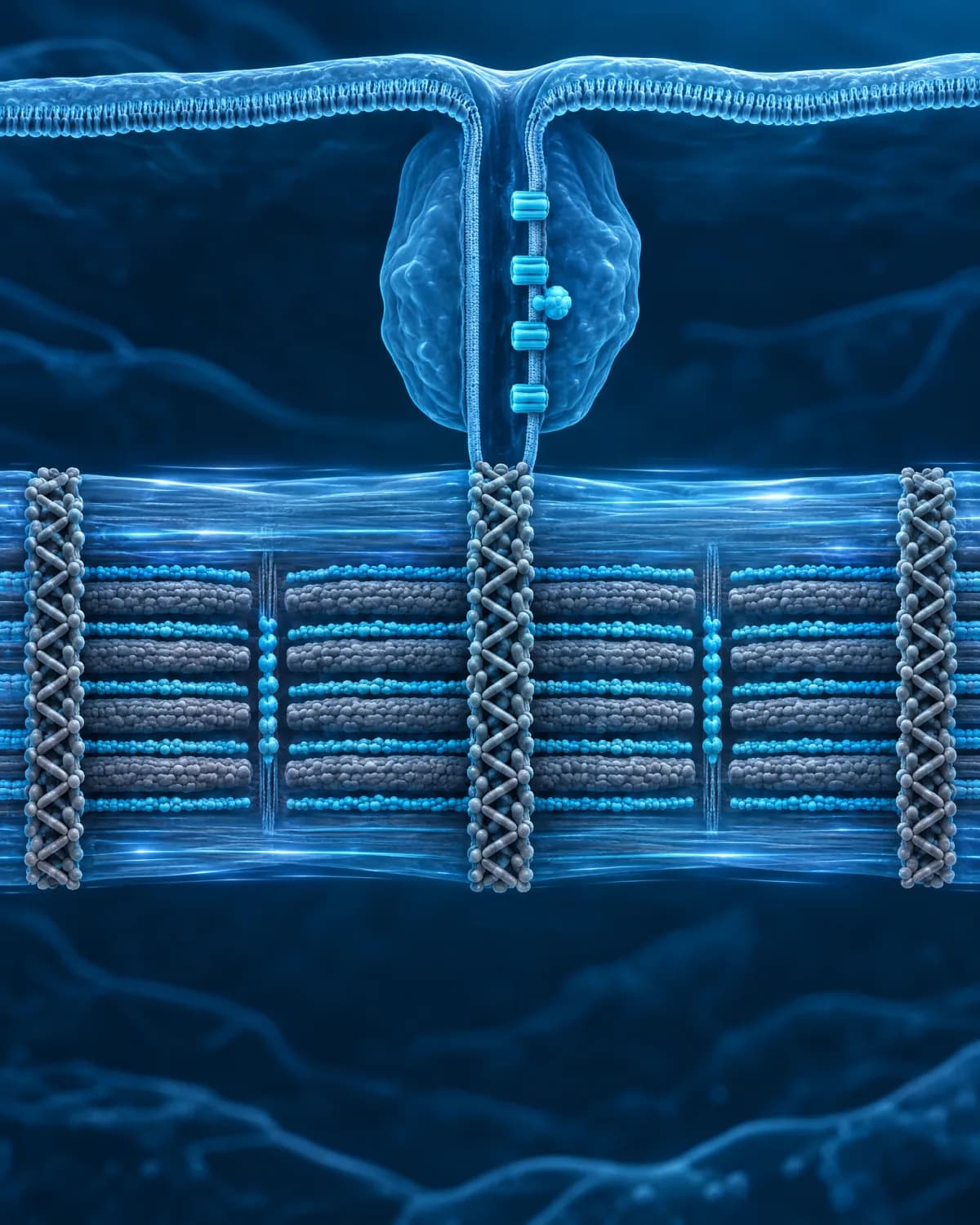 AI-generated illustration
Our research investigates how cardiomyocytes sense mechanical load and translate it into cellular responses.
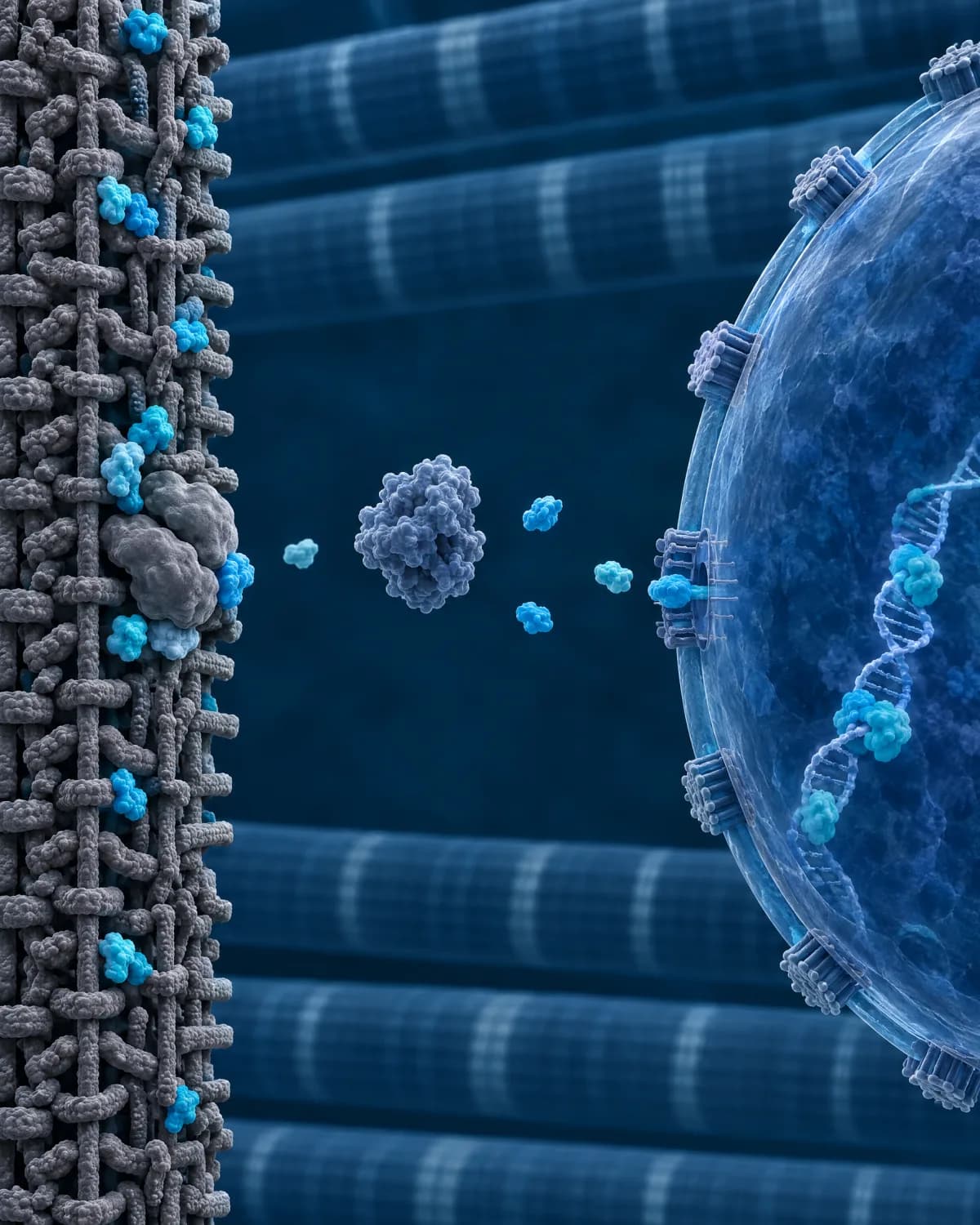 AI-generated illustration
The Calcineurin-NFAT signaling axis is a central research focus of our group.
Our methods cover every level at which cardiac signaling is studied: from sequencing candidate genes to phenotyping transgenic mouse models.
All articles with DOI, PMID and preprint label on the publications page.
16 members: lab leadership, 4 postdocs, 8 doctoral researchers and 2 technicians.

STRIPAK signaling, cardiac mechanosensing, phosphoproteomics
UKHD Profile
Cardiac hypertrophy, heart failure, molecular cardiology
UKHD ProfilePostdocs: Dr. rer. nat. Maja Bencun · Dr. med. Marius Leye · Dr. Santosh Kumar Lomada · Dr. rer. nat. Surabhi Swarnkar
We collaborate with national and international research groups on joint projects, share methods and resources, and host visiting scientists.
Contact for collaborations, open positions and scientific exchange.